Cut Flower Garden for Beginners: Easy Flowers, Small Garden Layout Tips, and What to Grow First
A realistic Starter guide to planning your first cutting garden, choosing the right flowers, and growing beautiful stems for your home all season long.
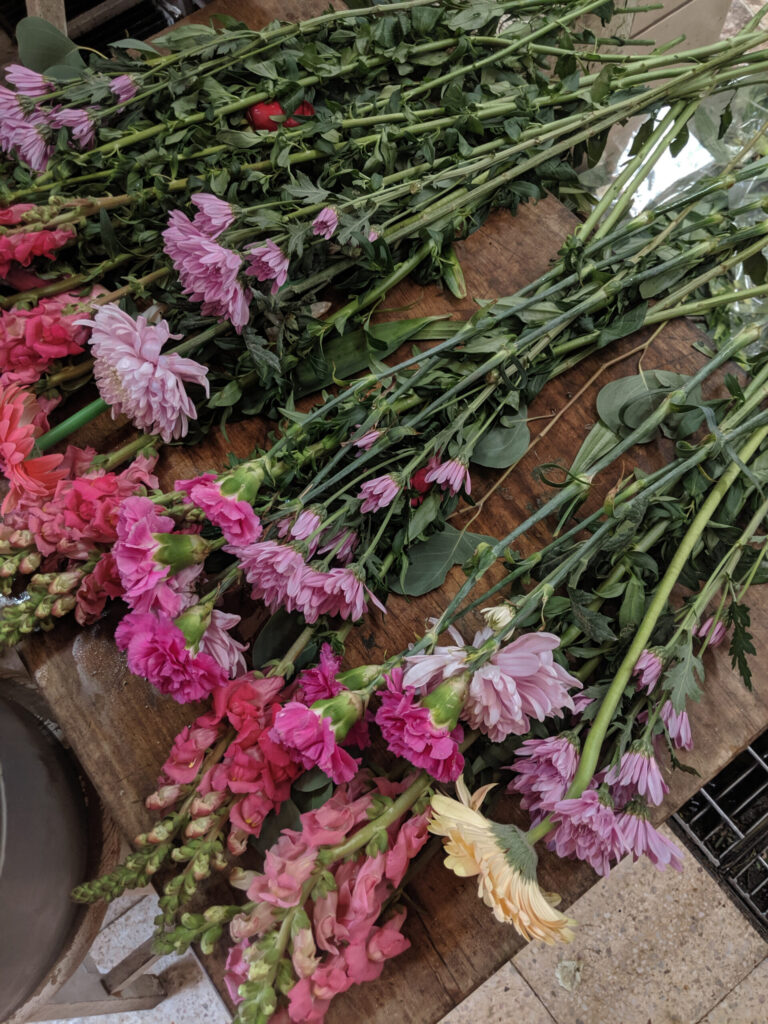
If you’re starting a cut flower garden for beginners, I think the goal should be simple: grow flowers you can actually bring inside. There is a particular kind of satisfaction that comes from walking into the garden with a pair of snips, and returning a few minutes later with enough flowers to fill a vase.
Not flowers picked up at the grocery store. Not flowers ordered for a special occasion. Flowers that you grew yourself.
My favorite places to put my flowers? A handful of stems beside the kitchen sink. A small bouquet on the dining table. Three perfect blooms in a bud vase on a bedside table. If I could (and I try to), I’d have every room in my house full of fresh flowers, at all times.
When most beginner flower-growing guides talk about easy flowers, they’re usually thinking about what grows easily. I’m thinking about something slightly different. I’m thinking about what is worth growing. The flowers that are productive, beautiful, forgiving of mistakes, and generous enough to keep producing stems all season long.
Ready to walk inside your home with an armful of something beautiful? Make sure to download my Beginner Cut Flower Garden Curated Guide, where I’ve included variety recommendations, bloom timelines, garden layouts, and simple planning worksheets to help you get started.

But First, Some Secrets Most Beginner Flower Guides Never Explain…
Some Flowers Reward You For Cutting Them
One of the most exciting discoveries when I was new to gardening was learning about cut-and-come-again flowers. The name sounds technical, but it’s the most wonderfully simple concept for any cut flower garden for beginners.
Certain flowers respond to harvesting by producing more flowers. The more stems you cut, the more stems they make!
Cut a bouquet this week and the plant sends up fresh stems. Cut another bouquet next week and it responds again. Rather than slowing the plant down, harvesting encourages it to keep producing. Not every flower behaves this way. Some flowers bloom once and finish. Others provide a spectacular but brief display. The stars of my own garden are the flowers that reward me for using them.
It’s one of the closest things gardening has to magic.
Succession Planting Keeps The Flowers Coming
The other thing worth understanding early is succession planting, which simply means planting the same flower more than once, usually every two to three weeks, so everything does not bloom and finish at the same time. This matters especially for flowers that are not truly cut-and-come-again, like many sunflowers, or for flowers that have one strong flush and then slow down.
You do not need to make this complicated your first year, but even a second sowing of flowers can extend your blooming season and give you more consistent flowers for the house.
planning stage – Map IT Before You Plant IT
Before you buy a single plant, here’s an absolute must – go outside and physically map out where your cut flower garden could actually go. This is my #1 tip for anyone new to creating a cut flower garden.
Not in your head. In the garden! Use string, sticks, bamboo canes, a garden hose, or whatever you have nearby. Mark out a small bed and stand there for a few minutes. Walk around it. For a few days, monitor the cliemte patters (is the whole bed full sun? Is there any afternoon shade available in parts of the bed?). Imagine watering it. Imagine cutting from it. Imagine carrying a basket of flowers back into the house. How easy it is to do those things?
Size Matters
A cutting garden does not need to be enormous to be productive. Because the flowers are usually planted closer together (about 9-10″ apart for most varieties – always double-check online!) than they would be in a traditional ornamental border, a small space can produce far more than you might expect. Even one modest bed can give you regular flowers for the house if you choose the right plants, keep them healthy, and keep cutting.
sunny side up
Most cut flowers want full sun, which generally means at least 6–8 hours of direct light a day. So start there. Find the sunniest realistic place, then ask yourself whether that location also makes sense for watering, harvesting, and enjoying the garden. And if you’re creating more than one bed, give yourself enough room to move. Flower farm layouts often use very narrow paths to maximize production, but for a home garden, I’d rather have slightly more breathing room. I generally think at least 30 inches between beds feels more comfortable if you’re carrying a basket, bending over to cut stems, or walking through the garden with tools in hand.
Publicly pretty or privately productive?
Placement is not only about production. Think about whether you want this garden to be visible or private:
- Do you want it in the front yard where people walking by can see it?
- Do you want it tucked around the side of the house, somewhere you can disappear for a few minutes with your snips?
- Do you want to see it from a bedroom window, a kitchen sink, or a patio chair?
- Do you want to spend time in it? Better think on some seating options then.
A cut flower garden is practical, yes. But it is also emotional. It changes the way you move through your home and yard.
A Realistic Beginner Garden Looks Different Than Pinterest
You’ll notice I’ve skipped a few flowers that appear in almost every Pinterest cut flower guide—things like celosia, amaranth, bupleurum, and sweet alyssum.
They’re beautiful, but many beginner gardeners are unlikely to find them already growing at local garden centers or nurseries. A lot of online flower-growing advice also assumes you’re ready to start specialty seeds indoors under grow lights in February. Most beginners simply aren’t there yet…and honestly, they don’t need to be.
That’s the perspective I’ve written this list from. For your first season or two, I genuinely think it’s easier to buy most of your flowers already growing from local nurseries and focus on learning gardening itself: sunlight, watering, harvesting, and what actually lasts beautifully in a vase. But others? You are indeed going to need to rely on some seeds.
Why Cut Flower Gardens can appear So Full
Cut flower gardens are usually planted much more densely than traditional flower beds. Instead of spacing plants to show off each individual shape, the goal is to maximize blooms and encourage long, upright stems for cutting. For most beginner-friendly annual flowers, spacing plants roughly 9–12 inches apart works beautifully.
If you’re planning your first cutting garden, I share my exact beginner layout recommendations, spacing suggestions, and flower combinations inside the Beginner Cut Flower Garden Super Guide.
A Critical Note Before You Shop For Flowers

One thing I wish someone had explained to me much earlier is that many flowers actually exist in two completely different versions: bedding types and cutting types. And frustratingly, most garden centres don’t explain the difference clearly. This matters especially for flowers like zinnias and snapdragons.
The compact varieties commonly sold in garden centres are usually bred for flower beds and containers—not for bouquets. They’re designed to stay short, bushy, and covered in blooms close to the ground.
This won’t be of particular use to us in a vase. Cutting varieties, on the other hand, are specifically bred to produce long, elegant stems that work beautifully indoors.
So throughout this guide, whenever I recommend a flower, I’m specifically referring to the taller cutting versions whenever possible. Shop carefully. That single distinction honestly explains why many beginner bouquets don’t look the way they hoped they would.
Okay, finally let’s get to the flower lists!
The Workhorses: Flowers That Earn Their Space
If I could only grow a handful of flowers for bouquets, these are where I’d start.
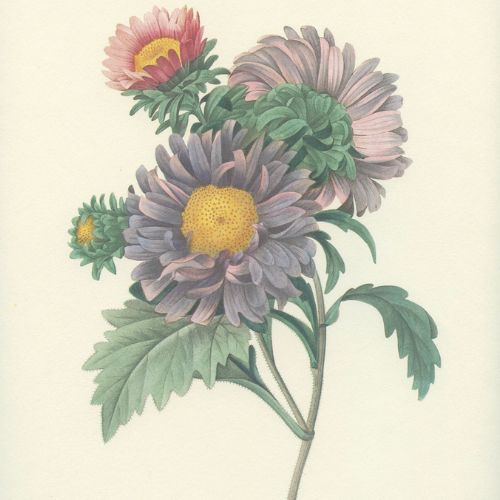
China Asters
Why I love them: China asters have the softness and fullness many beginners love about peonies—but with a much longer bloom season and far fewer complications. Note their preference for consistent watering. This I’ve marked as moderate in terms of ease. They’ll require some extra attention during hot weather due to airflow sensitivity, mildew/fungal susceptibility. Well worth the effort!
Difficulty
easy to moderate
Height
2 to 3 feet (24-36″)
Favorite Spot
Full Sun
bloom time
Mid to Late summer
Colors Available: White, blush, lavender, rose, apricot, burgundy, purple, soft blue
Best Placement: Middle borders, cutting rows, cottage gardens
Vase Life: 7–10 days
Pairs Beautifully With: Snapdragons, scabiosa, cosmos
Hilary’s take:
> Sensitive to overcrowding and poor airflow
> Best watered at the base to avoid mildew issues
I’ve included beginner-friendly variety recommendations and my favorite easy-to-source asters inside the Beginner Cut Flower Garden Super Guide.
Zinnias
Every beginner flower list includes zinnias. And for once, the hype is justified.
They’re productive, resilient, fast-growing, and available in almost every color imaginable. Zinnias can produce armfuls of stems from midsummer until frost, often lasting a full week in a vase. They work beautifully with almost everything else on this list.

Difficulty
Very Easy!
Height
2 to 4 feet (24-48″)
Favorite Spot
Full Sun
bloom time
summer through frost
Colors Available: White, cream, yellow, orange, coral, pink, red, burgundy, lavender, green and bi-colors
Best Placement: Middle or back of sunny borders and dedicated cutting gardens.
Vase Life: 7-10 days
Hilary’s take:
> Susceptible to powdery mildew in humid climates. I’ve always really struggled with this if I don’t stay on top of it.
> Need full sun for best performance
Zinnias & the Garden Centre Problem
Most garden centres primarily sell compact bedding zinnias like Zahara, Profusion, or Thumbelina varieties. These are bred to stay low and bushy for flower beds and containers—not for cutting. Don’t be fooled while at the shop! If you do buy nursery starts, look carefully for variety names. If the label simply says “zinnia” without specifying the variety, it’s usually a bedding type.
For bouquets, you will need to look for tall cutting varieties like:
- Benary’s Giant
- Oklahoma Series
- Queen Series
The good news is that zinnias are one of the easiest flowers imaginable to grow directly from seed outdoors. In many cases, direct sowing actually works better than buying transplants.
Cosmos
Cosmos will give you movement, softness, and a sense of looseness to arrangements that can otherwise feel stiff. They’re remarkably forgiving and thrive in average soil. In fact, too much fertility often produces more foliage than flowers.

Difficulty
Very Easy!
Height
3 to 5 feet (36-60″+)
Favorite Spot
Full Sun
bloom time
Mid-summer through frost
Colors Available: White, all shades of pink, burgundy, chocolate and soft pastel blends
Best Placement: Back of borders or woven throughout cottage gardens.
Vase Life: 5-7 days
Pairs Beautifully With: snapdragons, sweet peas, dill, and amaranth
Hilary’s take:
> Tall varieties may require staking
> Wind can damage exposed plants
> Quite easy to grow from seed
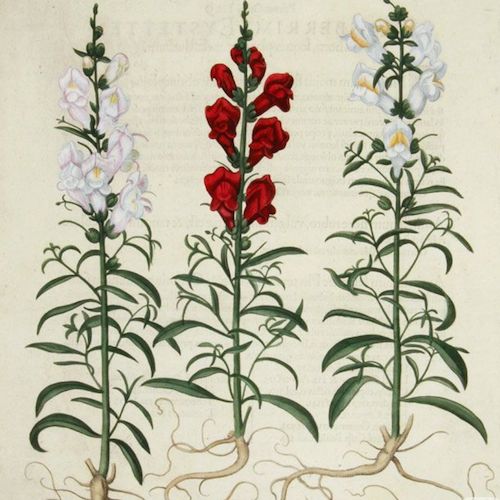
Snapdragons
Every cutting garden benefits from flowers with strong vertical lines, and snapdragons remain one of the best. For beginners, they’re surprisingly easy to grow and provide the architectural structure that makes bouquets look professionally designed.
A few stems will instantly elevate your bouquet. And unlike many flowers that fade after only a few days, snapdragons often remain attractive in a vase for more than a week. These guys will appreciate some afternoon shade if you can make it happen.
Difficulty
easy to moderate
Height
2 to 4 feet (24-60″)
Favorite Spot
Full Sun to part sun
bloom time
spring to summer
Colors Available: White, blush, peach, butter yellow, bronze, pink, burgundy, lavender, crimson, soft apricot
Best Placement: Middle or back of borders, cutting rows, cottage gardens
Vase Life: 7–10 days
Pairs Beautifully With: Cosmos, Dara dill, sweet peas, Orlaya
Hilary’s take:
> Young plants benefit from pinching
> Tall varieties may need support – make sure you don’t purchase dwarf varieties!
> Prefer cooler weather in many zones. In Ontario’s humid, hot summers – mine definitely suffered at times.
Why Garden Centre Snapdragons Often Disappoint
Most big-box garden centres primarily sell compact bedding snapdragons designed for containers and flower beds – not bouquets. Many of these are also treated with plant growth regulators before sale, which permanently limits how tall the stems will become. In other words: they physically cannot grow into long cutting stems later.
For bouquets, you want tall cutting varieties like:
- Chantilly
- Rocket
- Potomac
- Animation
If you’re buying nursery starts, look specifically for labels that say:
- “tall”
- “cutting”
- or list one of those variety names directly
Any snapdragon labelled 24 inches or taller is usually a good sign. Unlike zinnias, snapdragons are slightly trickier for beginners to grow from seed because they need to be started very early indoors. So if you can find tall cutting varieties already growing at a good local nursery, they’re absolutely worth buying.
Salvia
Salvia brings vertical movement, depth, and a slightly wild cottage-garden feeling to arrangements while blooming for an exceptionally long time.
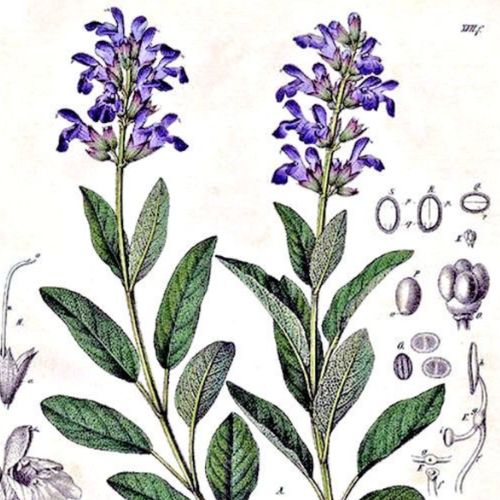
Difficulty
Very easy
Height
2 to 3 feet (18-40″)
Favorite Spot
Full Sun to part sun
bloom time
Late spring through frost
Colors Available: Blue, indigo. Harder to find varieties: violet, lavender, white, soft pink
Best Placement: Middle borders, pollinator gardens, cottage gardens
Vase Life: 5–7 days
Pairs Beautifully With: Echinacea, cosmos, yarrow
Hilary’s Take:
> Some varieties have shorter stems than traditional cut flowers
> Regular deadheading improves reblooming
> I have a hard time finding anything outside of the blue standard ones, so if you see other colors – snatch them up!
The Secret Weapons Most Beginners Overlook
This is where your arrangements for your home really begin to look truly elevated. Because the most memorable bouquets aren’t made entirely of flowers. They include texture, movement, foliage, and air.
- Calendula
- Dill
- Orlaya
- Scabiosa
Calendula
Calendula rarely receives the same attention as dahlias or roses, but it deserves a place in every beginner cutting garden. It germinates quickly, flowers generously, and attracts pollinators.

Difficulty
Very easy
Height
1 to 2 feet (12-24″)
Favorite Spot
Full Sun to part sun
bloom time
Spring through summer
Colors Available: Cream, peach, apricot, gold, orange, soft yellow
Best Placement: Front borders, herb gardens, kitchen gardens
Vase Life: 5–7 days
Pairs Beautifully With: Herbs and foliage, Dill, yarrow, sweet alyssum
Things To Consider
- Can slow during extreme heat
- Requires regular deadheading
Dara Dill
If I had to choose one surprise inclusion for a beginner cutting garden, it’s this one. The lace-like umbels resemble Queen Anne’s Lace but appear in shades ranging from white to dusty mauve.It softens arrangements instantly.
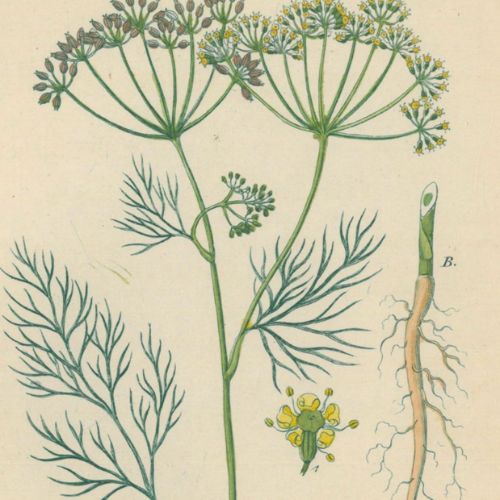
Difficulty
Very easy
Height
3 to 4 feet (30-50″)
Favorite Spot
Full Sun
bloom time
summer
Colors Available: White, mauve, dusty pink-purple
Best Placement: Middle or back of borders, mixed cutting gardens
Vase Life: 6–8 days
Pairs Beautifully With: Cosmos, snapdragons, zinnias
Hilary’s take:
> Can self-seed aggressively, so I like to cut them for vases quite frequently
> Think on your planting site, as the tall stems may flop in wind
Orlaya
Delicate white flowers floating above fine green foliage. Think of it as the flower equivalent of a linen tablecloth. Quiet, elegant, and capable of making everything around it look more beautiful.

Difficulty
easy
Height
2 to 3 feet (24-30″)
Favorite Spot
Full Sun
bloom time
Late spring to summer
Colors Available: Soft White
Best Placement: Front and middle borders
Vase Life: 6–8 days
Pairs Beautifully With: Sweet peas, snapdragons, cosmos
Hilary’s take:
> Less heat tolerant than some annuals
> Often difficult to find locally
Scabiosa
Scabiosa has a delicate, almost antique quality that makes bouquets feel more layered and interesting. Widely available at your local garden centres. The stems can be slightly delicate, and some varieties bloom more heavily than others. They’re not difficult, but reward consistent harvesting and deadheading.

Difficulty
easy to moderate
Height
2 to 3 feet (24-30″)
Favorite Spot
Full Sun
bloom time
Late spring to frost
Colors Available: White, blush, lavender, mauve, burgundy, chocolate, dusty blue
Best Placement: Middle borders, cottage gardens, cutting beds
Vase Life: 5–7 days
Pairs Beautifully With: Cosmos, asters, yarrow
Hilary’s take:
> Stems can be slender and benefit from support
> Some varieties bloom more heavily than others
Flowers For Color, Texture, and Drama
These flowers will bring even more added personality to your bouquets.
- Gomphrena
- Echinacea
- Strawflowers
- Bachelor’s Buttons
- Yarrow
- Sweet Pea’s
Gomphrena
Few flowers are easier to grow. Fewer still bloom as continuously. The globe-shaped flowers appear in white, pink, purple, and magenta and perform beautifully both fresh and dried.
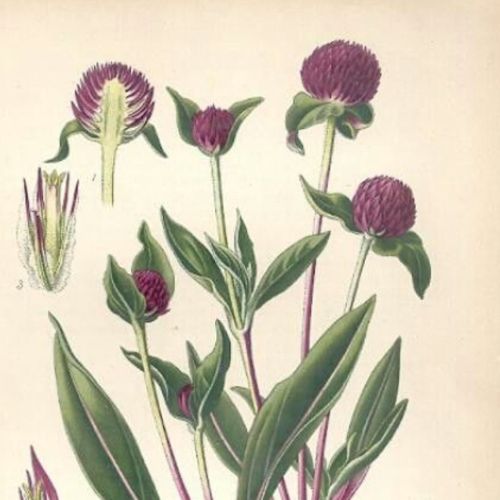
Difficulty
very easy
Height
1 to 3 feet (18-30″)
Favorite Spot
Full Sun
bloom time
summer through frost
Colors Available: White, lavender, magenta, pink, purple
Best Placement: Front and middle borders (these guys can be on the shorter side!)
Vase Life: 10–14 days
Pairs Beautifully With: Strawflower, celosia, yarrow
Hilary’s take:
> Slow to start in cool weather
> Best performance in heat
Echinacea (Coneflowers)
Reliable, architectural, pollinator-friendly, and one of the easiest perennial flowers for beginners to grow successfully.
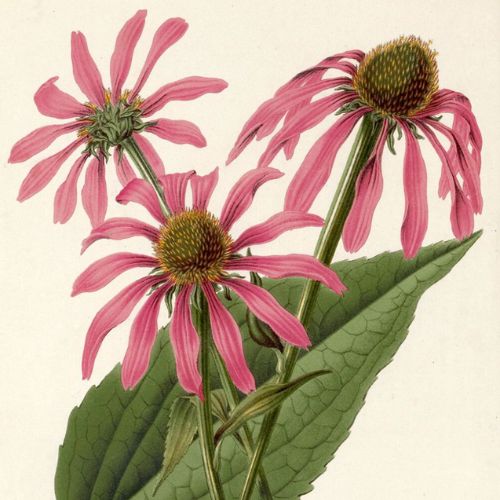
Difficulty
very easy
Height
2 to 5 feet (24-48″)
Favorite Spot
Full Sun
bloom time
mid-summer through Fall
Colors Available: White, blush, peach, pink, orange, coral, burgundy, green
Best Placement: Middle and back borders, perennial gardens
Vase Life: 7–10 days
Pairs Beautifully With: Yarrow, salvia, cosmos
Hilary’s take:
> First-year blooming varies by variety
> Mature plants can become larger with time
StrawflowerS
If you want flowers that continue bringing beauty indoors long after summer ends, grow strawflowers. They’re also one of the few flowers that remains beautiful long after the growing season ends if dried flowers are your thing! Make sure to verify you are buying the taller varieties.

Difficulty
easy
Height
2 to 4 feet (36-48″)
Favorite Spot
Full Sun
bloom time
summer through Fall
Colors Available: White, blush, apricot, coral, yellow, bronze, rose, burgundy
Best Placement: Middle borders, cutting rows
Vase Life: 7–10 days fresh; years dried
Pairs Beautifully With: Gomphrena, celosia, amaranth
Hilary’s take:
> Harvest slightly before fully open
> Texture feels papery rather than soft
Bachelor Buttons (Cornflowers)
This flower is simple, charming, and dependable. The classic blue varieties remain wonderful, but modern seed selections offer pinks, whites, burgundies, and lavender tones that feel far more contemporary. Easy to sow directly into your soil.

Difficulty
very easy
Height
2 to 4 feet (28-36″)
Favorite Spot
Full Sun
bloom time
late spring through summer
Colors Available: Blue (most easily available), white, blush, lavender, burgundy, black-purple
Best Placement: Cottage gardens, meadow-style plantings in the front
Vase Life: 5–7 days
Pairs Beautifully With: Cosmos, sweet peas, Orlaya
Hilary’s take:
> Shorter vase life is common
> Can flop after heavy rain
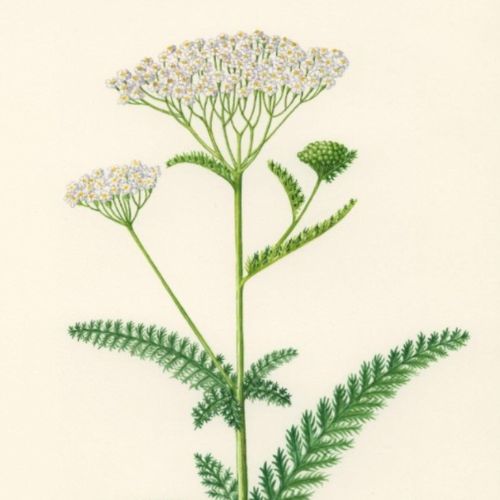
Yarrow
One of the most versatile perennials for bouquet making. Flat flower clusters provide structure, longevity, and wonderful muted colors ranging from cream to terracotta.
Difficulty
very easy
Height
up to 48″
Favorite Spot
Full Sun
bloom time
summer through early fall
Colors Available: Cream, blush, yellow, terracotta, peach, dusty rose, burgundy
Best Placement: Middle borders, perennial beds
Vase Life: 7–14 days
Pairs Beautifully With: Calendula, gomphrena, strawflower
Hilary’s take:
> Can spread aggressively
> With some types, flowers will turn an unattractive brown if left on stem (I keep well on top of deadheading yarrow in my garden)
> Some varieties have a mature scent isn’t universally loved
Sweet Peas
Grow these for their fragrance alone! Varieties from the Spencer group produce long stems and exquisite blooms in nearly every pastel shade imaginable. Very English countryside vibe.

Difficulty
moderate
Height
4-6 feet (climber)
Favorite Spot
Full Sun / afternoon shade
bloom time
late spring through summer
Colors Available: White, cream, blush, lavender, dusty rose, deep purple, burgundy, bi-colors, soft blue
Best Placement: Trellises, arches, fences, obelisks
Vase Life: 4–6 days
Pairs Beautifully With: Snapdragons, Orlaya, Bupleurum
Hilary’s take:
> Make sure you support your sweet peas support structures
> Prefer cool temperatures
> Struggle in intense summer heat so may need extra care
Three Flowers I’d Skip For Now
Not because they’re bad. Because they’re not the best use of limited beginner space in my experience.
1. Sunflowers are stunningly easy to grow, but often produce only a single harvestable bloom per plant, so unless you want to succession plant – it may not make sense for you.
2. Hybrid tea roses can be rewarding but require more maintenance than many new gardeners expect.
3. Delphiniums are breathtaking but frequently disappoint beginners due to weather sensitivity and shorter lifespans.
Once you’ve gained confidence, absolutely grow them. Just don’t feel obligated to start with them!
Five Foolproof Bouquet Combinations
One of the easiest ways to make homegrown bouquets feel more intentional is to think in combinations rather than individual flowers. Here’s a few reliable pairings that can carry you through an entire season of arrangements—and often look far more beautiful than overly complicated mixes.
Soft Cottage Bouquet
Cosmos, snapdragons, and Dara dill
This is the bouquet combination I’d recommend to almost anyone starting their first cutting garden. The snapdragons provide height and structure, the cosmos soften everything, and the Dara dill creates that loose, airy feeling that makes arrangements look effortless rather than stiff.
Best for: Kitchen tables, entryways, and everyday bouquets.
Romantic Late-Summer Arrangement
China asters, scabiosa, and yarrow
This combination feels soft, layered, and slightly old-fashioned in the best possible way. The asters bring fullness, the scabiosa adds movement, and the yarrow helps anchor everything with texture.
Best for: Dining tables and larger centerpiece arrangements.
Wild Meadow Bouquet
Bachelor buttons, cosmos, and salvia
Loose, casual, and garden-inspired. This arrangement works especially well in pitchers or simple glass jars where the flowers can lean naturally.
Best for: Porches, breakfast nooks, and informal summer gatherings.
Warm Sunset Bouquet
Zinnias, strawflower, and gomphrena
Rich oranges, pinks, corals, and raspberry tones make this combination feel vibrant without becoming overwhelming. The differing textures also help arrangements feel fuller and more interesting.
Best for: Late summer and early autumn arrangements.
Quiet Cottage Arrangement
Sweet peas, calendula, and Dara dill
Not every bouquet needs to feel dramatic. This combination is softer, lighter, and more delicate—something that feels beautiful beside a sink or on a bedside table. The sweet peas also bring fragrance, which changes the experience of the arrangement entirely.
Best for: Small vases, bedside tables, and thoughtful everyday moments.
Start Small, Cut Often
The best cutting garden isn’t necessarily the largest. It’s the one that encourages you to get outside, harvest generously, and bring flowers into your home on a regular basis with success.
Start with no more than about five or six varieties. Learn what you love. Experiment with color combinations. Cut more flowers than feels reasonable.
You may be surprised how quickly your garden responds.
____
Ready to take things further? If you’d like a free, in-depth step-by-step plan—including variety recommendations, bloom timelines, garden layouts, succession planting advice, and printable planning worksheets—download the Beginner Cut Flower Garden Super Guide and start building a garden designed not just for growing flowers, but for living with them.